Parsons Green bulky rubbish clearance guide for residents
Posted on 18/06/2026
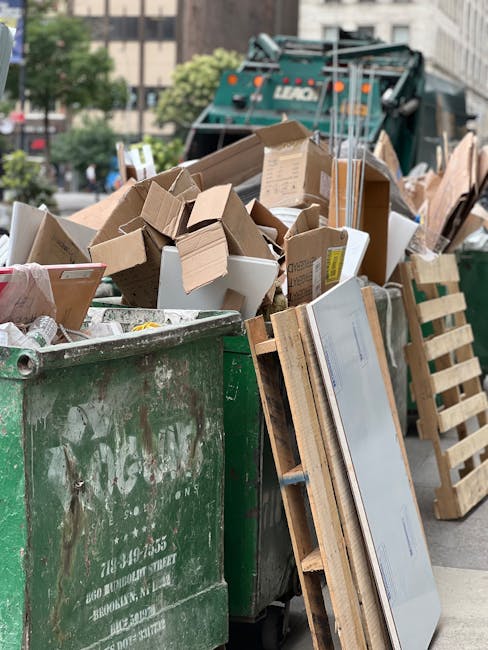
If you live in Parsons Green, bulky rubbish can become a real nuisance surprisingly fast. One minute it is a flat-pack wardrobe, a broken sofa, or a mattress that has seen better days; the next, it is taking over the hallway and making the place feel cramped. This Parsons Green bulky rubbish clearance guide for residents walks you through the safest, simplest, and most sensible ways to get large items out of your home without creating stress, mess, or avoidable costs.
Whether you are clearing a single item, dealing with a post-move pile-up, or tackling a full room reset, the aim is the same: remove bulky waste properly, keep things compliant, and avoid the usual headaches. Let's face it, nobody wants to drag a heavy chest of drawers down narrow stairs on a wet Fulham evening. This guide covers what qualifies as bulky rubbish, how clearance usually works, what to avoid, and how to choose the right method for your situation.
Why Parsons Green bulky rubbish clearance guide for residents Matters
Bulky rubbish is not just "big waste". It is usually the awkward stuff that does not fit into normal household bins: worn-out furniture, white goods, broken shelving, old carpets, exercise equipment, and sometimes the contents of a room after a clear-out. In a place like Parsons Green, where homes vary from compact flats to larger family properties, bulky items tend to create problems at exactly the wrong moment.
Why does this matter so much locally? Mainly because access can be tight. Shared entrances, upper floors, limited roadside space, and busy street patterns can make moving large items trickier than people expect. If you are also juggling work, children, or a move-out deadline, the job can get messy quickly. A clear plan saves time, but it also protects floors, walls, and your back. Which, to be fair, is worth protecting.
There is also a hidden benefit: proper bulky rubbish clearance helps you avoid dumping items in the wrong place or leaving them out for too long. That is better for neighbours, better for the street, and better for your own peace of mind. If you are also sorting out broader household decluttering, you may find it useful to think about the whole property, not just the item in front of you. For some residents, that wider perspective links naturally with a house clearance approach rather than handling pieces one by one.
How Parsons Green bulky rubbish clearance guide for residents Works
In practical terms, bulky rubbish clearance is about identifying the items, choosing the right removal method, preparing access, and making sure the waste is handled correctly afterwards. The process may sound simple, but the small details matter. A sofa is not the same as a broken fridge, and a single item collection is not the same as a full-load clear-out.
Most residents have three broad routes. First, you can do it yourself if the item is manageable and you have transport, lifting help, and somewhere lawful to take it. Second, you can arrange a council-style bulky collection where available, though the item list, booking times, and access rules may be limited. Third, you can use a professional rubbish removal service, which is usually the most convenient option when the item is heavy, the access is awkward, or you simply do not have the time. If you want a broader overview of how services are usually structured, this services overview is a useful place to start.
In our experience, the best results come from a small bit of planning before anyone touches the item. Measure the doorway. Check the lift. Look for loose handles, sharp edges, or leaking contents. It sounds obvious. People still skip it. And then somebody is stuck sideways in a stairwell, which is not a fun Tuesday.
Key Benefits and Practical Advantages
Good bulky rubbish clearance does more than remove clutter. It gives you back usable space, lowers the chance of damage, and helps the property feel calmer almost immediately. You notice it in small ways first: the hall feels wider, you stop stepping around the same box every morning, and the room suddenly looks intentional again.
Here are the main advantages residents tend to value most:
- Less stress: no need to coordinate heavy lifting, transport, or disposal logistics on your own.
- Safer handling: large items can cause injuries if they are moved badly, especially on stairs or tight landings.
- Cleaner exits and access routes: useful in flats, maisonettes, and shared properties.
- Better recycling outcomes: reusable or recyclable materials can often be separated more effectively when sorted properly.
- Faster turnaround: especially helpful if you are moving out, refurbishing, or preparing a room for guests.
The best part? Bulky clearance is often one of those jobs that makes the whole property feel easier to manage. One cleared sofa can unlock a room. One cleared room can reset the mood of the home. Small thing, big feeling.
Who This Is For and When It Makes Sense
This guide is for anyone in Parsons Green who has a large, awkward, or heavy item that needs removing. That includes tenants, homeowners, landlords, letting agents, property managers, and small businesses working from home. It is also relevant if you are between tenants, sorting out a refurb, or just trying to reclaim the spare room before it quietly turns into storage again.
Bulky rubbish clearance makes sense when:
- you have a sofa, mattress, wardrobe, or dining table to remove;
- you are replacing old appliances such as a washing machine, fridge, or cooker;
- you are emptying a loft, basement, or storage cupboard;
- you need a fast solution before an inventory check or property viewing;
- you have more waste than a normal bin collection can reasonably handle;
- you want the job handled with less disruption to neighbours or building access.
For residents in rented homes, there is also a practical point here: leaving bulky waste behind can cause disputes during checkout, so a bit of planning now can save a lot of back-and-forth later. If you are in the middle of moving or improving a property, the broader local advice in these Fulham living tips can help you think through the knock-on effects too.
Step-by-Step Guidance
Here is the straightforward version of how to handle bulky rubbish without making life harder than it needs to be.
- List the items. Write down exactly what needs to go. Be specific: "two-seater sofa", not "furniture".
- Check condition and material. Some items are reusable, some are recyclable, and some are damaged enough to go straight for disposal.
- Measure access routes. Door widths, stair turns, lifts, basement steps, the lot.
- Separate anything hazardous. Batteries, liquids, and certain electrical parts should not be mixed in with ordinary bulky waste.
- Choose your method. Self-removal, scheduled collection, or professional clearance.
- Book and confirm timing. Make sure the day, access arrangement, and item list are agreed in advance.
- Prepare the items. Empty drawers, remove loose parts, and clear a route to the door.
- Sort for reuse or recycling where possible. This is the moment where a little effort can make a real difference.
- Get a final sweep. Check for screws, packaging, broken pieces, and anything left behind under the item.
If you are clearing items after redecorating or a minor renovation, you may also need support with mixed waste. In those cases, a broader waste removal option can be more practical than trying to solve everything as one-off items. It depends on the mix, really.
One useful habit: keep a pen and note app handy when you are planning. People forget dimensions all the time. Then they are standing in the doorway with a tape measure and a mildly panicked expression. Happens more than you'd think.
Expert Tips for Better Results
There are a few small things that make bulky rubbish clearance significantly smoother. None of them are glamorous, but they save time and reduce risk.
- Disassemble where sensible. A wardrobe taken apart safely is easier to move than one hauled through a home in one piece.
- Keep fixings together. Put screws, bolts, and brackets into a labelled bag. You may need them later, or at least someone will.
- Clear the route before moving starts. Shoes by the door, lamps, bikes, baskets, and anything else in the way should go first.
- Protect floors and walls. Especially in older properties where hallways show scuffs easily.
- Think about timing. Morning collections can be less disruptive in some streets, while afternoon slots may suit people working from home.
- Ask what happens after collection. Reuse, recycling, and compliant disposal are all worth checking before the job begins.
If the item is bulky because it is old rather than broken, you might have more options than you think. Furniture in decent condition can sometimes be redirected into reuse, while some electricals and white goods can be handled through specialised channels. For examples of item-specific handling, see furniture removal in Fulham and white goods and appliance disposal.
Truth be told, the "best" clearance method is usually the one that fits your access, your timing, and your nerves on the day.
Common Mistakes to Avoid
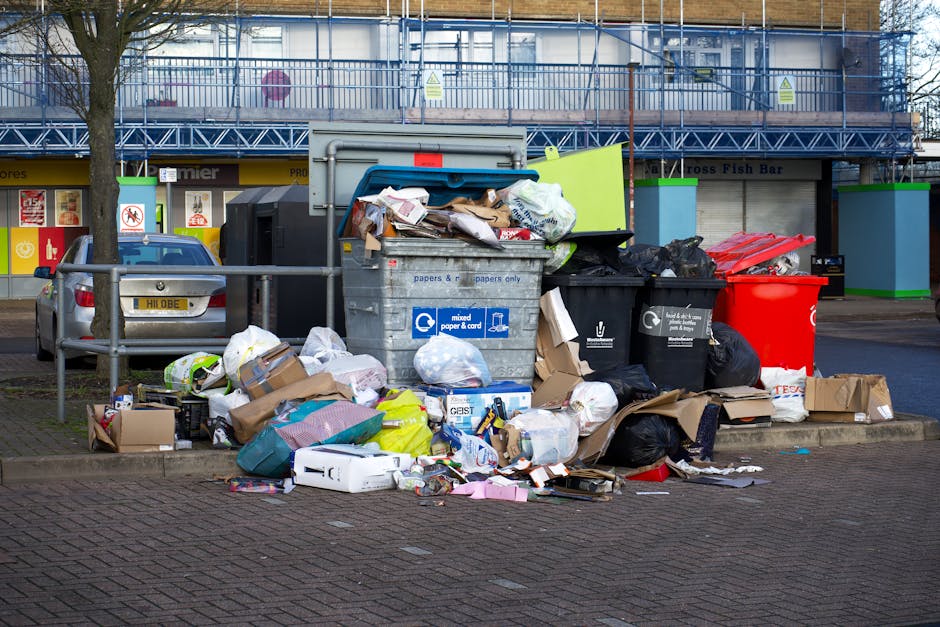
Most bulky waste problems come from a few predictable mistakes. Avoid these and you will already be ahead of the game.
- Underestimating the size of the item. A sofa that looks manageable in a living room can become a nightmare on a staircase.
- Ignoring building access rules. Some blocks have lift booking requirements or delivery restrictions that apply to removals as well.
- Leaving the job half-prepared. If drawers are still full and loose parts are everywhere, the collection takes longer and becomes riskier.
- Mixing bulky waste with prohibited items. Certain materials need separate handling. Do not guess.
- Choosing the cheapest option without checking what is included. A low headline price is not much use if the item is not actually collected.
- Forgetting neighbour impact. Bags and items left in shared areas can create tension very quickly.
One small but important point: if a settee is wet, damaged, or harbouring mould, mention that upfront. It changes how the item should be handled. Nobody wants surprises when they are halfway down the stairs.
Tools, Resources and Recommendations
You do not need much to prepare for a bulky clearance, but the right few tools make a difference:
- a tape measure for doorways, lifts, and item dimensions;
- heavy-duty gloves for sharp edges and rough surfaces;
- strong bin bags or boxes for loose contents;
- labels or tape for screws and detachable parts;
- blankets or sheets to protect furniture and floors during moving;
- a torch for looking behind beds, wardrobes, and under cabinets.
For greener disposal thinking, it is worth separating what can be reused or recycled from what is true waste. That approach aligns well with the wider message in recycling and sustainability. If your clearance also involves garden offcuts or planters, the article on using green bins for garden waste disposal may be useful as a side note, especially after a seasonal tidy-up.
A practical recommendation: take photos of the items before collection if you are dealing with a tenancy, landlord, or property manager. It gives you a simple record of what was removed. Not exciting, but helpful.
Law, Compliance, Standards, or Best Practice
For bulky waste, the safest rule is simple: use a properly authorised waste carrier and make sure the waste goes somewhere legitimate. In the UK, residents still have a responsibility to take reasonable care over how their waste is handed over. That does not mean you need to become an expert in waste law. It does mean you should be cautious about anyone offering to take items away without clear identification, paperwork, or a credible service trail.
Best practice usually includes the following:
- checking that the collector can handle the items you have;
- confirming where the waste is likely to go, in broad terms;
- avoiding cash-only, no-record arrangements where possible;
- keeping a note or receipt if your landlord, letting agent, or business records matter;
- separating hazardous, electrical, or special items when needed;
- making sure access and collection arrangements are clear in advance.
If you are comparing service providers, it also helps to look at safety practices and insurance cover. Those details matter more than many people realise until something scrapes a wall or the access is more awkward than expected. A service page such as insurance and safety can help you understand the kind of reassurance residents typically look for, and waste carrier licence and compliance is especially relevant if you want to keep things on the right side of good practice.
For residents in flats and managed buildings, there may also be building rules about lift use, service entrances, or booking time slots. Those are not always "law" in the strict sense, but they are still part of the practical compliance picture. Annoying, yes. Necessary, also yes.
Options, Methods, or Comparison Table
Here is a simple comparison of the most common bulky rubbish clearance methods residents consider.
| Method | Best for | Pros | Watch-outs |
|---|---|---|---|
| Self-removal | Small, manageable items and people with access to transport | Can be low-cost and flexible | Heavy lifting, vehicle access, disposal responsibility |
| Scheduled bulky collection | Residents with one or a few items and flexible timing | Straightforward if the collection service fits the item type | Limited item types, booking rules, waiting times |
| Professional clearance | Heavy, awkward, urgent, or mixed bulky waste | Less lifting, faster turnaround, simpler logistics | Usually costs more than doing it yourself |
| Full property clearance | Moves, probate situations, major decluttering, or end-of-tenancy clear-outs | Good for lots of items and layered waste types | Needs planning, access prep, and clear item lists |
For a single mattress, self-removal might be enough if you have the right vehicle and help. For a sofa on the third floor, with a narrow landing and no lift, professional help is usually the calmer choice. No drama. Just choose the fit that makes sense.
Case Study or Real-World Example
A typical Parsons Green scenario looks something like this: a resident has sold a flat and needs to remove a sofa, an old chest of drawers, and a large broken desk before the final handover. The property is on an upper floor, the staircase is tight, and the front entrance is shared. The resident first measures the items and the route, then clears the hallway, removes loose contents from drawers, and checks whether any pieces can be dismantled.
At that point, the biggest decision is usually timing. If the clearance is left too late, the hallway becomes a staging area, and that is when stress creeps in. If it is arranged early, the items can be removed in one clean visit, the floors stay protected, and the property is ready for inspection without a last-minute scramble.
That kind of job also shows why bulk clearance is not just about "getting rid of stuff". It is about keeping a property moving smoothly through its next phase. Moving out, re-letting, refreshing a room, whatever it is. And yes, one of the first things people say afterwards is usually, "I should have done that sooner."
If the situation also includes furniture that is no longer fit to keep, the relevant service area may overlap with furniture disposal in Fulham. For mixed domestic items, domestic waste collection may also be part of the solution.
Practical Checklist
Use this checklist before collection day.
- Confirm exactly which items are going.
- Measure large items and check access routes.
- Empty drawers, cupboards, and hidden compartments.
- Separate recyclable, reusable, and non-reusable parts where sensible.
- Remove anything hazardous or specially handled.
- Protect floors, corners, and doorway edges.
- Book the collection time and keep access clear.
- Tell neighbours or building management if shared spaces will be used.
- Take photos for your records if needed.
- Do a final sweep for screws, packaging, and stray fittings.
Expert summary: the best bulky rubbish clearance is rarely the cheapest-looking option on paper. It is the one that is safe, clear, and suitable for your building, your timing, and your actual items. That is the bit people remember later.
Get a free quote today and see how much you can save.
Conclusion
Bulky rubbish clearance in Parsons Green does not need to be complicated, but it does need to be handled with a bit of care. If you identify the items properly, prepare access in advance, and choose the right removal method, the job becomes far more manageable. You will avoid damage, reduce stress, and keep the property feeling orderly instead of overwhelmed by one stubborn sofa or a stack of forgotten furniture.
For many residents, the real win is not just the empty space. It is the sense that the home has become usable again. Quieter. Easier. Less cluttered in the background of everyday life. And honestly, that's a decent feeling on its own.
When you are ready, take the first step with a quick list of what needs to go, then decide whether a simple collection or a fuller clearance is the better fit. A little planning now can save you a lot of lifting later, and that is usually the kind of trade worth making.