Hurlingham Park garden waste and rubbish removal tips
Posted on 13/07/2026
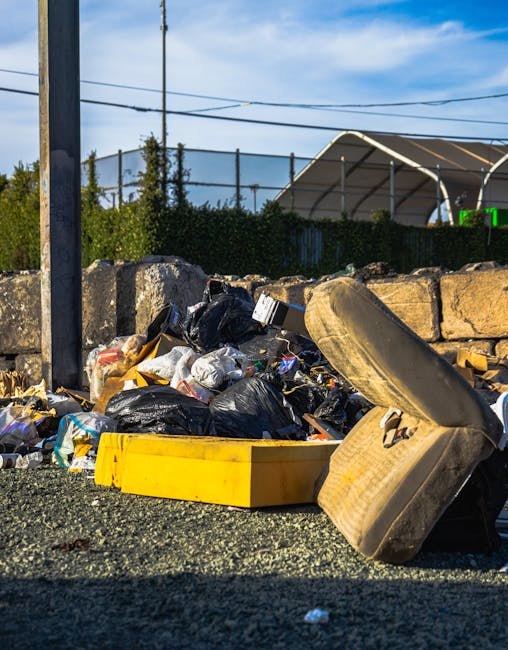
If you live near Hurlingham Park, you already know the rhythm of local garden work: a weekend hedge trim turns into a surprising pile of cuttings, an old planter cracks at the worst moment, and suddenly the path is blocked by bags, branches, and one stubborn broken chair. Hurlingham Park garden waste and rubbish removal tips are really about keeping that tidy, manageable feeling without turning the job into a full-day headache. In this guide, you'll find practical ways to sort, store, move, and dispose of green waste and household rubbish sensibly, with a local, no-nonsense approach.
Let's face it, garden clear-ups look simple until the waste starts growing faster than the lawn you just cut. The good news? A bit of planning makes a huge difference. Whether you're dealing with pruning from a small terrace garden, a seasonal clear-out after windy weather, or a bigger tidy-up before guests arrive, the right method saves time, reduces mess, and helps you avoid avoidable mistakes.
Why Hurlingham Park garden waste and rubbish removal tips matters
Garden waste is not just "garden waste". It can include grass cuttings, hedge trimmings, leaves, weeds, branches, soil in small amounts, old plant pots, broken canes, damaged outdoor furniture, and odd bits of general rubbish that somehow end up outdoors. Around Hurlingham Park, where homes and outdoor spaces can be compact, waste builds up quickly and can start to affect access, appearance, and even safety.
Good disposal habits matter for a few practical reasons. First, garden waste left to sit too long becomes wet, heavy, and awkward. Bags split. Wormy compostable material starts to smell. Branches snag coats and scratch paintwork. Second, mixed waste is harder to recycle properly, so a tidy-up that should have been simple can become a sorting problem. And third, if you're sharing space with neighbours, poor handling can spill into pavements, entrances, and communal areas. No one wants that awkward hallway moment.
There is also a financial angle. Using the wrong disposal method can mean extra trips, more labour, or paying for a larger clearance than you actually need. Better planning means fewer surprises. That is especially useful if you are comparing options like self-loading, green bin use, a dedicated collection, or a broader rubbish collection in Fulham for mixed garden and household items.
For local readers, the other big reason is pace. City gardening is rarely a leisurely, open-ended affair. A quick, organised system matters more here than in a big rural plot. You want the bags gone, the path clear, and the space usable again by evening if possible. Simple. Not easy maybe, but simple.
How Hurlingham Park garden waste and rubbish removal tips works
The basic idea is to separate waste by type, then choose the most efficient disposal route for each pile. That sounds obvious, yet it is where most clear-outs go slightly sideways. If you start with a mixed heap, you lose control. If you start with sorting, the rest is much easier.
Start by dividing the waste into sensible groups
In practice, the most useful groups are:
- Green waste: grass cuttings, leaves, hedge trimmings, plants, weeds, small twigs
- Woody waste: thicker branches, logs, dead shrubs, larger cuttings
- Garden junk: broken plant pots, plant labels, old hose pipe, cracked watering cans
- General rubbish: packaging, broken household items, non-organic clutter from sheds or patios
- Bulky items: furniture, planters, old benches, damaged BBQs, awkward mixed items
Once separated, you can decide what belongs in a green bin, what can be bagged for collection, what can be reused, and what needs a dedicated removal service.
Then match the waste to the right removal route
A small tidy-up might fit neatly into bins and manageable bags. A larger garden job might need a more structured pickup, especially if branches are bulky or the waste includes old outdoor furniture. If you are mainly dealing with plant matter, the advice in using green bins for garden waste disposal can be a helpful starting point. If the job has grown beyond garden clippings, a dedicated garden waste removal service may be the cleaner choice.
A useful rule of thumb: the more varied the waste, the less you should rely on guesswork. A mixed load with soil, wood, broken furniture, and domestic rubbish is a different beast from a few bags of hedge trimmings. The disposal route should match the waste, not the other way round.
Keep the load manageable from the start
Rubbish removal works better when the waste is gathered in a way that is easy to move. Heavy bags, sharp sticks, and wet lawn clippings become awkward fast. To make the process easier, keep bags not too full, tie them securely, and separate anything sharp or breakable. It sounds boring. It saves your back.
Key benefits and practical advantages
There is a strong practical payoff to handling garden waste properly in Hurlingham Park. You get your space back faster, reduce mess, and avoid having the job drag into the next day. That alone is worth doing well.
Cleaner outdoor spaces
When waste is removed promptly, patios stay usable, paths stay clear, and the garden looks finished rather than half-done. That visual reset matters more than people think. One tidy bag too many, left by the fence for a week, can make the whole garden feel unfinished.
Less strain and fewer repeat trips
Thoughtful sorting and loading reduce the number of journeys you need to make. If you are carrying waste by hand or using a small vehicle, every unnecessary bag becomes a real problem. Planning the flow from garden to exit point makes the work easier on your body and your time.
Better recycling outcomes
Garden waste is often well suited to recycling or composting pathways when it is kept separate from general rubbish. Mixed waste is harder to process. If sustainability matters to you, or you simply prefer not to throw useful material into the wrong stream, this is one of the easiest habits to get right. You may also find the company's recycling and sustainability approach useful when thinking about how different waste types are handled.
Lower risk of damage and nuisance
Loose branches can scratch walls, prick tyres, and create trip hazards. Wet bags can leak across paving. A tidy disposal plan prevents those annoying little mishaps that turn a simple garden job into a repair job. And nobody wants that on a Sunday afternoon.
More control over cost
When you know what you're dealing with, you can choose the right option instead of paying for a bigger clearance than necessary. That means fewer surprises and better value overall. If you want to compare possible approaches before booking, a quick look at pricing and quotes can help you understand the decision-making side of it, without overcomplicating things.
Who this is for and when it makes sense
This topic is useful for a wide range of people, not just keen gardeners. In fact, some of the most common situations are far more ordinary.
- Homeowners who have just finished pruning, weeding, or seasonal tidying
- Renters who need to leave a garden neat at the end of a tenancy
- Landlords and letting agents dealing with outside areas after a move-out
- Families clearing toys, broken outdoor items, and overgrown borders at the same time
- Older residents who want a simple, safe way to clear waste without heavy lifting
- Busy professionals who only have a short window to get the job done
- People preparing for visitors or a gathering and needing the garden to look presentable quickly
It also makes sense if the waste has become mixed. For example, if the shed has collapsed into the lawn, or if you are removing an old table, broken pots, and a pile of cuttings in one go, you are no longer dealing with a simple green-waste task. That is where a broader service like waste removal in Fulham can be more practical than trying to force everything into one bin bag.
Truth be told, a lot of people wait too long. They let the pile grow. Then the pile has opinions. At that point, getting help early is usually the calmer, cheaper, and cleaner option.
Step-by-step guidance
If you want a straightforward method, use this sequence. It keeps the job organised and prevents the familiar "where did all this come from?" feeling once the bags start stacking up.
- Walk the area first. Check the lawn, borders, patio, shed corner, and side return. Gather everything before loading anything.
- Separate by material. Keep green waste apart from plastics, general rubbish, timber, and bulky items.
- Cut down bulky branches. Smaller lengths are safer to carry and easier to fit into bins or sacks.
- Bag light, not heavy. Overfilled sacks split, and wet cuttings become very heavy very quickly.
- Protect surfaces. If you're dragging bags along paving or through a hallway, use a sheet or path protection where sensible.
- Stack neatly. Keep the load in one place so it does not spread across the garden.
- Check for hidden extras. People often find broken tools, screws, plant stakes, or old rubble mixed in with clippings.
- Choose the right disposal route. Green bin, dedicated garden waste collection, or mixed rubbish removal depending on what you have.
If the job includes a lot of outdoor clutter, it can help to think beyond the garden itself. For example, some clear-ups spill into sheds, porches, and side returns. That is one reason people sometimes pair garden work with house clearance in Fulham or domestic waste collection when the inside and outside need sorting together.
Expert tips for better results
There are a few habits that make garden waste removal noticeably smoother. Small things, but they add up.
Tip 1: Cut early, collect later
For pruning jobs, cut branches into workable sections before you start bagging. You'll avoid awkward overlong pieces that jab through sacks or get stuck in tight corners. A pair of loppers can save more time than a fancy plan ever will.
Tip 2: Work from the farthest point back
Start at the end of the garden and move toward the exit. That way, you are not re-walking over cleared ground with muddy boots and half-full bags. It sounds obvious. It's also one of the easiest mistakes to make when you're in a hurry.
Tip 3: Keep wet and dry waste separate if you can
Wet grass cuttings become heavy, compact, and a bit unpleasant. Dry branches and leaves are easier to handle. Keeping them separate makes loading and moving much cleaner.
Tip 4: Don't let the "little pile" become the "big pile"
A few bags from last weekend can quickly turn into a month-old heap. If you can, remove waste soon after the job rather than leaving it for "next time". Next time has a habit of disappearing.
Tip 5: Treat shed clean-outs as a separate phase
Garden clear-ups often uncover old paint pots, tools, screws, and household items. Those should be assessed separately rather than casually thrown in with green waste. If there is a mix of awkward items, the safest approach may be to look at rubbish removal near Fulham Broadway SW6 made simple for a more general solution.
Tip 6: Use a simple staging point
One corner of the patio, a stretch by the fence, or a section near the gate can act as a holding area. That keeps the rest of the garden usable while you work. It also makes it easier for a removal team, if you use one, to load quickly and safely.
Common mistakes to avoid
Most garden waste problems are not dramatic. They're just irritating. The sort of irritation that starts with "I'll deal with that later" and ends with a pile of soggy branches. Here are the usual culprits.
- Mixing everything together: Green waste, plastic, rubble, and general rubbish should not be dumped into one heap if you can avoid it.
- Overfilling bags: Heavy bags tear, especially when damp.
- Leaving sharp items loose: Cut canes, broken glass, and splintered timber can cause injury.
- Ignoring hidden bulky items: Old garden furniture or broken planters can change the whole disposal method.
- Blocking access routes: Waste piled by gates or steps slows everything down and creates unnecessary risk.
- Assuming all garden waste is recyclable in the same way: Not every item belongs in the same stream, especially once plastic and treated wood are involved.
- Waiting until everything is muddy: Dry waste is easier. Once rain gets in, the whole job becomes harder.
One surprisingly common issue is people adding small amounts of soil or rubble into a green waste load. A little contamination can complicate disposal. If you're unsure, keep mineral waste separate. It saves hassle later, and it is just cleaner practice.
Tools, resources and recommendations
You do not need a shed full of specialist kit, but the right basics make the job far more efficient. Keep it simple and practical.
Helpful tools
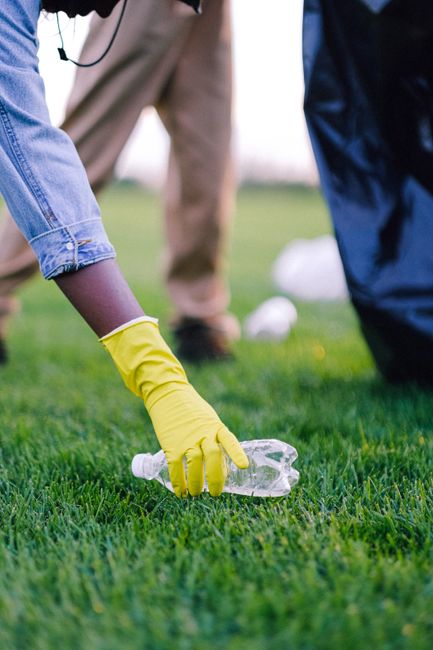
- Heavy-duty gloves for thorns, splinters, and sharp edges
- Loppers or secateurs for cutting branches and stems down to size
- Strong refuse sacks for lighter garden waste and general rubbish
- Wheelbarrow or garden trolley if you have distance to cover
- Tarpaulin or sheet for dragging light waste without scattering it
- Dustpan and brush for the last gritty sweep of the patio or path
Useful service choices to compare
If you are deciding how to get rid of the waste, these pages can help you understand the available routes and where each one fits best:
- service overview for a broad look at the available options
- garden waste removal for clean green waste and pruning jobs
- rubbish collection for mixed general waste
- waste carrier licence and compliance if you want reassurance about proper handling
- insurance and safety for added peace of mind around loading and transport
If your job includes items from inside the property as well, such as old shelving, boxes, or forgotten bits from the loft, it may make sense to combine the garden clear-up with a broader loft clearance or similar service. Not always. But sometimes the practical answer is to do one proper clear-out rather than three half-jobs.
Law, compliance, standards, or best practice
For waste removal in the UK, the safest approach is always to use a responsible and traceable route for disposal. You do not need to become a waste-law expert to get the basics right, but it does help to follow a few common-sense standards.
Keep waste separated where possible. Green waste, general household rubbish, timber, soil, and bulky items should be sorted rather than mixed. That supports better recycling and makes collection simpler.
Do not leave waste where it causes a hazard. Bags on pavements, loose branches near entrances, and unstable stacks can be unsafe for residents, visitors, and anyone collecting the waste.
Use a reputable carrier for removal. If you are paying someone to take waste away, it is sensible to choose a provider that handles disposal properly and can explain how the waste will be managed. The aim is not paperwork for paperwork's sake. It is simply good practice.
Be careful with restricted items. Some garden clear-ups uncover paint, treated wood, electricals, or other items that should not be treated like ordinary clippings. These need a separate decision. Better to pause and sort than to guess.
Think about neighbours and access. In dense London streets, even a short loading job should be planned so it does not block shared spaces or create avoidable mess. It's the polite thing, and it makes the job quicker too.
Where sustainability is a priority, a proper disposal route should support recycling and recovery where possible. That is why many people prefer a service that is transparent about handling standards and waste compliance, rather than one that just promises to "take it away" and leaves the rest vague.
Options, methods, or comparison table
Choosing the right disposal method depends on what you have, how much of it there is, and how much lifting you want to do yourself. Here's a simple comparison.
| Method | Best for | Pros | Limits |
|---|---|---|---|
| Green bin use | Light to moderate garden waste | Simple, familiar, low fuss | Limited capacity; not suitable for mixed rubbish |
| DIY bagging and local disposal | Small jobs with manageable access | Low cost, flexible timing | Requires lifting, transport, and sorting |
| Dedicated garden waste collection | Pruning, hedge cuts, seasonal clear-outs | Cleaner for larger organic loads | Less suitable if rubbish is mixed in |
| General rubbish removal | Mixed garden and household waste | Practical for awkward loads and bulky items | May cost more than green-waste-only options |
| Full property or clearance service | Garden plus shed, loft, or household clutter | Good for bigger or combined jobs | Can be more than you need for a small garden tidy-up |
If your load is mostly cuttings and leaves, a green-waste approach is usually the neatest fit. If there are broken chairs, planters, packaging, or old garden storage mixed in, a broader collection makes more sense. No need to force a square peg into a round bin.
Case study or real-world example
Here's a realistic example from the kind of job people around Hurlingham Park often face. A small rear garden had become a mixed mess after spring pruning: hedge clippings, a dead climbing plant, two cracked plastic tubs, a broken rake, and several bags of old compost. Nothing dramatic, just messy enough to feel irritating every time the back door opened.
The first step was sorting. The clippings and dead plant material went into one group, the tubs and broken tool into another, and the compost sacks were checked for contamination. Once the waste was separated, the lighter green material could be handled efficiently, while the awkward bits were assessed for a different route. That meant less lifting, less confusion, and a much quicker finish.
The key lesson was not about speed. It was about order. Once the waste was grouped properly, the actual removal became far easier. What had looked like three separate problems turned into one organised clear-up. And yes, the garden looked better immediately. You notice the air in the space too, somehow. Cleaner, lighter, less cluttered.
That sort of job is a good reminder that most garden waste issues are solved by structure, not brute force. A few careful decisions at the beginning usually save the most time at the end.
Practical checklist
Use this checklist before you arrange disposal or start loading waste:
- Have I separated green waste from general rubbish?
- Are any branches, canes, or sharp items cut down safely?
- Are the bags light enough to lift without strain?
- Is there any soil, rubble, or treated wood mixed in?
- Have I checked for bulky items in the shed or patio area?
- Is the waste stored where it will not block access or create a hazard?
- Do I know whether this is a green-bin job, a garden-waste job, or a mixed rubbish job?
- Have I chosen the most suitable disposal route for the amount of waste?
- Do I need help with loading, lifting, or transport?
- Have I planned the job so I do not need to handle the waste twice?
Quick expert summary: sort first, bag lightly, keep access clear, and match the removal method to the type of waste. That simple sequence prevents most of the headaches people run into.
Conclusion
Hurlingham Park garden waste and rubbish removal tips are really about staying organised, avoiding unnecessary lifting, and choosing the right disposal method for the waste you actually have. When you separate green waste from mixed rubbish, the whole job becomes calmer, faster, and usually cheaper. That is the bit people often miss. They think the hard part is the lifting, but often it is the sorting.
Whether you are clearing a few bags after weekend pruning or dealing with a more involved outdoor tidy-up, a little structure goes a long way. Start small, keep things separate, and do not let the pile sit there and grow roots of its own. There's enough to think about already.
Get a free quote today and see how much you can save.
And if you take just one thing from this guide, let it be this: a clean garden feels better the moment the waste leaves, not the moment the work begins.