Craven Cottage event rubbish plan for match day clearances
Posted on 30/06/2026
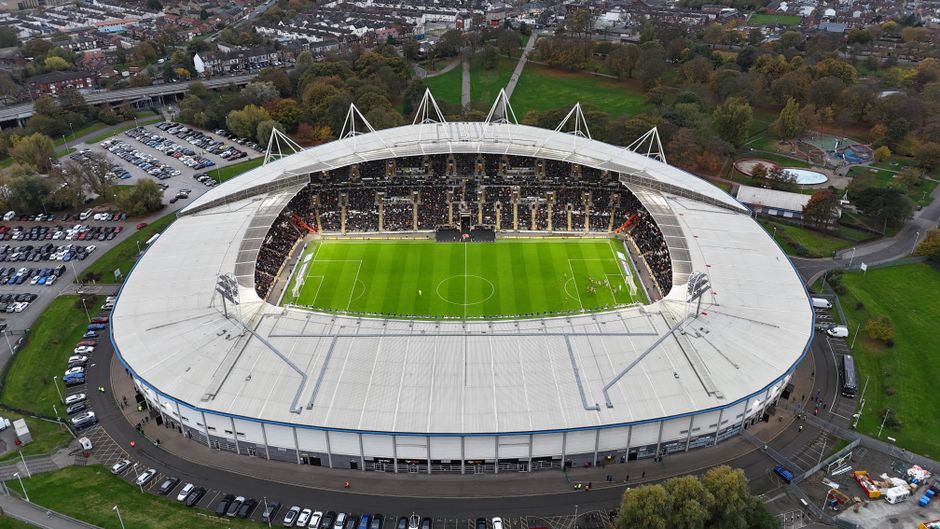
Craven Cottage Event Rubbish Plan for Match Day Clearances
Match day around Craven Cottage has its own rhythm: the buzz on the pavements, the last-minute rush before kick-off, and then the sudden shift when the crowd moves on and the clear-up begins. If you are responsible for a venue, hospitality space, fan area, private function, or local business nearby, a proper Craven Cottage event rubbish plan for match day clearances is not a nice extra. It is the difference between a smooth finish and a messy, stressful one.
In practice, good event waste planning is about more than emptying bins. It is about knowing what waste will be created, where it will sit, who will move it, when it will be collected, and how you will keep routes clear while everyone else is trying to get home. Done well, it reduces complaints, keeps staff safer, supports recycling, and prevents that awkward late-night pile-up that everyone notices the next morning.
This guide breaks the process down in plain English. You will find a practical match-day clearance plan, common mistakes to avoid, and a realistic approach to choosing the right waste solution for crowds, hospitality set-ups, and post-event cleanup.
Why Craven Cottage event rubbish plan for match day clearances Matters
Craven Cottage match days create a very specific waste profile. There are drinks cups, food packaging, promotional materials, broken-down cardboard, catering waste, table waste, washroom waste, and sometimes bulky items from temporary set-ups. Add the footfall of supporters, staff, suppliers, and security teams, and the amount of rubbish grows fast. Fast enough to get out of hand if there is no plan.
A structured clearance plan matters because match day waste is not just about tidiness. It affects access routes, fire safety, hygiene, public perception, and the speed at which a venue can reset. If bins are overflowing near an entrance, people stop using them properly. Waste then spreads, the area looks neglected, and staff spend the event playing catch-up. Not exactly what anyone wants on a busy Saturday afternoon.
There is also a local dimension. In a place like Fulham, where residential streets, hospitality spaces, and event traffic often overlap, rubbish left too late can create friction with neighbours and contractors. That is why planning match day clearances with a local operator in mind can make a noticeable difference. If you want a broader view of local waste support, the services overview is a sensible place to understand what types of collection and removal are typically available.
One of the easiest things to underestimate is timing. Waste generated at half-time is very different from the clearance needed after the final whistle. The first is ongoing operational waste. The second is a full site reset. Those two jobs need slightly different handling, and if you blur them together, the whole plan gets wobbly. A bit annoying, truth be told, but very avoidable.
How Craven Cottage event rubbish plan for match day clearances Works
A good match day rubbish plan works in stages. You identify likely waste points, assign collection routes, position containers in the right places, set a clearance timetable, and arrange the final removal before waste becomes a bottleneck. Simple on paper, but the difference is in the detail.
Here is the basic logic:
- Before the event: estimate what waste streams will be produced and where.
- During arrival: keep bins visible, accessible, and not hidden behind barriers or stacked stock.
- Mid-event: use scheduled checks so waste never reaches the point of overflow.
- Post-event: remove loose rubbish, separate recyclables, and clear bulky or awkward items quickly.
- After collection: sweep the area, inspect corners, and confirm nothing is left behind.
At a busy football ground or nearby hospitality site, the operational challenge is often not volume alone. It is waste flow. One overflowing bin at the wrong entrance can create a line of discarded cups on the ground within minutes. That is why event teams usually prefer several smaller collection points rather than relying on one giant central bin that nobody wants to walk to.
For businesses or venues that need support with general waste loading, the rubbish collection in Fulham page is useful context for understanding how routine clearances can complement event-day operations. For larger, more mixed loads, waste removal in Fulham may be a better fit.
The other key part of how this works is sorting. Not every item should go in one mixed pile. Cardboard, food waste, drink containers, and bulky materials often need different handling. If you are dealing with outdoor debris or green material from landscaping around an event perimeter, using green bins for garden waste disposal can be a helpful model for separation and scheduling.
Key Benefits and Practical Advantages
When a match day clearance plan is done properly, the benefits show up very quickly. And not just on the day itself.
- Cleaner public-facing areas: entrances, queueing zones, and hospitality spaces stay presentable.
- Faster post-event reset: staff spend less time chasing loose rubbish and more time restoring the site.
- Better recycling performance: separated materials are easier to collect and process correctly.
- Lower health and safety risk: fewer trip hazards, blocked fire routes, and pest issues.
- Less neighbour frustration: rubbish is less likely to drift into nearby streets or frontages.
- More predictable costs: planned clearances are usually easier to manage than emergency callouts.
There is also a less obvious benefit: staff morale. A team working in a cluttered, sticky, overfull environment tends to get more tired, more quickly. Clear surfaces, clear bins, and clear routes make a real difference to the pace of service. You notice it when you see a well-run venue after a busy event. The air feels calmer, even if the crowd was anything but.
For one-off hospitality functions and private gatherings in Fulham, comparing event waste planning with venue logistics can be helpful. If your use case overlaps with private hire, the article on highly rated party venues in Fulham gives broader local context for how events are hosted in the area, especially when cleanup responsibility sits with the organiser.
Who This Is For and When It Makes Sense
This kind of rubbish plan is relevant to more people than you might think. It is not just for stadium-scale operations. In fact, smaller events often need it just as badly, because they have fewer hands on deck and less room to absorb mistakes.
It makes sense for:
- hospitality operators near Craven Cottage on match days
- private event organisers hosting pre- or post-match gatherings
- caterers and temporary food vendors
- local businesses with increased footfall during games
- property managers handling communal areas or visitor-heavy sites
- contractors setting up temporary structures, signage, or event infrastructure
It is especially important when there are multiple waste types, limited storage space, or tight turnaround times. For example, if your venue serves food and drinks before kickoff, then needs to clear down immediately after the last customers leave, there is little room for improvisation. You need a plan that works in the real world, not just on a spreadsheet. And yes, spreadsheets are great until they meet half-eaten chips and wet cardboard.
If your role involves broader household or property clean-up in the area, you may also find the local perspective in Fulham living tips from a local useful, especially where event traffic overlaps with everyday residential routines.
Step-by-Step Guidance
Here is a practical way to build a match day rubbish plan without overcomplicating it.
- Map the waste hotspots. Look at entrance points, bars, food counters, toilets, smoking areas, staff rooms, and any outdoor spill-over spaces.
- Identify the likely waste streams. Separate general rubbish, recycling, food waste, cardboard, and bulky or awkward items.
- Match containers to the load. Use enough bins for the crowd size, but also think about what people will actually use.
- Set collection times. Mid-event checks matter. Waiting until the end is usually where the trouble starts.
- Assign responsibilities. Someone should own each clearance zone. If everyone owns it, nobody does.
- Prepare for the post-match surge. The final whistle creates a sudden spike in litter, so keep staff ready when the crowd starts moving.
- Book the right removal support. If you need same-day or next-day clearance, arrange it before the event starts.
- Do a final sweep. Check corners, under tables, behind barriers, and around loading points.
In practical terms, the plan should also include where waste will be stored temporarily. A cramped, shared yard can fill up faster than expected. That is why operators often prefer a more flexible collection arrangement for event periods rather than relying on standard domestic-style routines. If bulky items are involved, the guidance on bulky rubbish clearance in Parsons Green is a useful nearby reference point for thinking about awkward loads and access.
For larger mixed loads after a busy match day, some teams use a broader clearance approach that includes furniture, packaging, and waste from temporary fit-outs. In those cases, house clearance in Fulham and commercial waste removal in Fulham can illustrate the sort of removal support that may be needed, depending on the size of the site and the nature of the waste.
Expert Tips for Better Results
A few practical habits make match day clearances run much more smoothly. None are glamorous. All of them help.
- Keep bins visible. If people cannot spot them quickly, rubbish ends up on tables or the floor.
- Use clear signage. A simple label often works better than complicated instructions.
- Plan for wet weather. Rain turns cardboard soft and makes litter cling to paths and corners.
- Watch the first hour closely. Early waste behaviour is usually a good predictor of the rest of the day.
- Separate heavy items early. Boxes, bottles, and food waste are easier to deal with before they mix.
- Keep a spare route clear. If the main route gets blocked, you will be glad you planned an alternative.
One small but very real tip: don't place bins where staff naturally want to stand or where queue lines will press against them. It sounds obvious, but in the rush before kick-off, obvious things get overlooked. You then spend twenty minutes dragging a bin that should have been two metres to the left. Happens all the time.
For teams looking to improve operational quality and reduce waste over time, the page on recycling and sustainability is worth reviewing. It helps frame waste planning as more than disposal; it becomes part of a better system.
Common Mistakes to Avoid
Most clearance problems come from a handful of predictable mistakes. The good news? They are very fixable.
- Leaving clearance too late. Once waste has piled up, every move takes longer.
- Using too few bins. People will not walk across a crowded site just to find a container.
- Mixing all waste together. This makes recycling harder and often more expensive to handle.
- Ignoring access constraints. Tight lanes, loading restrictions, and crowd barriers can all slow removal.
- Forgetting the final sweep. Small items are the ones people notice most the next morning.
- Not briefing staff properly. If the team does not know the plan, the plan does not exist.
There is also the classic mistake of assuming "we'll sort it later." Later is where the bin bags are heavier, the staff are tired, and the route is busier. Better to keep waste sorted as it appears. A little discipline at source saves a lot of trouble later on. Nothing fancy, just practical.
If your clearances involve standard day-to-day waste as well as event overflow, it can help to understand the difference between routine and ad hoc services. The article on domestic waste collection in Fulham is useful for comparing everyday collection with more event-driven needs.
Tools, Resources and Recommendations
You do not need a warehouse of special equipment to run a decent event rubbish plan, but a few tools make life easier.
| Tool or resource | What it helps with | Why it matters on match day |
|---|---|---|
| Clearly labelled bins | Waste separation | Reduces contamination and confusion |
| Bin liners and spare bags | Fast changeovers | Stops overflow at peak times |
| Floor sweep kit | Final clean-up | Useful for small litter that bins miss |
| Handheld grabber or litter picker | Picking up loose items | Speeds up response in busy areas |
| Collection timetable | Team coordination | Prevents waste from building up unseen |
From a service perspective, it is sensible to work with a provider that understands both routine and event-related waste. That way, you are not trying to patch together separate solutions at the last minute. The pages on rubbish collection, waste removal, and builders waste removal show how different waste types can be handled under one operational umbrella when the site needs it.
For office-based organisers or club staff working from back-of-house spaces, office clearance in Fulham can also be relevant if match day preparations create extra storage issues, packaging waste, or accumulated clutter.
Law, Compliance, Standards, or Best Practice
Any event rubbish plan should be built around safe handling, proper waste transfer, and responsible disposal. In the UK, that generally means using a licensed, compliant operator and making sure waste is passed on correctly. You do not need to turn this into a legal seminar, but you do need to treat it seriously.
Best practice usually includes:
- using a properly licensed waste carrier
- keeping waste separate where practical
- avoiding blocked fire exits, loading points, and pedestrian routes
- making sure staff know where waste can and cannot be stored
- documenting collection arrangements when multiple teams are involved
For confidence and peace of mind, it helps to work with companies that are transparent about compliance and safety. If that is important to you, review waste carrier licence and compliance and insurance and safety. Those pages can help you understand the standards a professional provider should meet before they ever step on site.
Accessibility also matters. Waste points should not create barriers for disabled visitors, staff, or contractors. A cluttered route near an entrance is not just inconvenient; it can become a real access problem. If this is part of your planning, the accessibility statement is a useful reference point for the kind of thinking that should underpin site layout and clearances.
And for anyone concerned about how data, quotations, or booking details are managed during planning, the linked policies on privacy policy and payment and security provide reassurance around the sort of trust signals a professional operator should offer. Not thrilling reading, admittedly, but important.
Options, Methods, or Comparison Table
Different event setups call for different clearance methods. Here is a straightforward comparison.
| Method | Best for | Strengths | Limitations |
|---|---|---|---|
| On-site bin rotation | Smaller crowd-facing areas | Quick, simple, low disruption | Needs regular monitoring |
| Scheduled collection rounds | Bars, hospitality zones, and mid-size events | Prevents overflow, keeps site tidy | Requires staff discipline |
| Post-event bulk removal | Large clear-downs | Efficient for heavy or mixed waste | Less useful for live crowd control |
| Hybrid plan | Busy match days with mixed waste streams | Most flexible and resilient | Needs good coordination |
In most Craven Cottage match day scenarios, a hybrid plan works best. You need live waste management during the event and a stronger final clearance once the crowd thins out. That is especially true where there is food service, drink service, or temporary fit-out materials to remove afterwards.
If the clearance involves sofas, tables, bar furniture, or mixed stock, then furniture removal and furniture disposal in Fulham are the kinds of services that can support the end-of-day reset without making the team do heavy lifting at midnight.
Case Study or Real-World Example
Here is a realistic example, based on the kind of pattern that comes up again and again in match day work.
A small hospitality space near Craven Cottage hosted a pre-match gathering with food trays, bottled drinks, cardboard packaging, and a few large display items brought in for the day. The team had a bin near the bar, but not enough bins by the entrance or outside seating area. For the first hour, everything looked manageable. Then the crowd built up. Cups started appearing on ledges, wrappers were dropped near the door, and the main bin became a bottleneck.
By the time the event ended, the staff were dealing with a mixed pile of recyclables, soggy cardboard, food waste, and a couple of bulky pieces that had nowhere sensible to go. Cleanup took much longer than expected, and the site was still being swept well after the last guests had gone. The issue was not lack of effort. It was lack of a plan.
At the next event, they changed three things: they added two more bin points, assigned one staff member to 20-minute waste checks, and pre-booked a post-event collection window. The result was better immediately. Overflow reduced, the floor stayed clearer, and the final sweep became a tidy finish instead of a scramble. Not perfect, but vastly better.
That kind of change is exactly why planning matters. A rubbish plan is not paperwork for the sake of it; it is operational breathing room.
Practical Checklist
Use this checklist when building your own match day clearance plan.
- Identify all waste hotspots before the event
- Separate general waste, recycling, food waste, and bulky items
- Place bins where people naturally walk and queue
- Schedule at least one mid-event waste inspection
- Keep spare liners and collection bags on hand
- Make sure access routes are not blocked
- Brief staff on who clears what and when
- Book the final collection before the event begins
- Plan for wet weather and increased litter spread
- Do a final sweep of entrances, corners, and hidden areas
Expert summary: If you want the simplest possible approach, think in layers. First, prevent overflow. Second, separate waste properly. Third, clear bulky or awkward items fast. And fourth, finish with a proper sweep. That sequence solves most match day problems before they snowball. It really does.
Get a free quote today and see how much you can save.
Conclusion
A well-planned Craven Cottage event rubbish plan for match day clearances keeps the whole day moving. It protects access, improves presentation, reduces hassle for staff, and makes the post-match reset feel controlled instead of chaotic. Most importantly, it helps you stay ahead of the waste rather than reacting to it when the bins are already full and everyone is tired.
The best plans are rarely dramatic. They are practical, calm, and built around real movement on the ground: where people walk, where waste builds up, and how quickly it needs to be removed. If you get those basics right, the rest gets much easier. And on a busy Fulham match day, easier is worth a lot.
Sometimes the clean-up is the last thing anyone wants to think about. But when it is handled properly, it leaves a better impression on everyone who passed through. That matters more than people admit.