Common access problems for Fulham flats rubbish removal
Posted on 07/10/2026
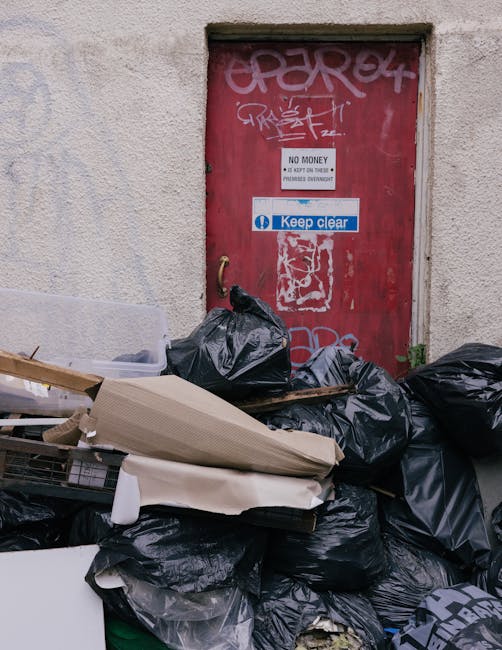
If you live in a Fulham flat, you already know the drill: the bins are never quite where you want them, stairwells can be narrow, parking is a headache, and the lift seems to have a mind of its own. That is exactly why common access problems for Fulham flats rubbish removal matter so much. A simple clearance can turn awkward fast if nobody can safely reach the property, the waste store, or the collection point.
This guide breaks down the real access issues that come up in Fulham, why they slow rubbish removal down, and what you can do to make collections smoother. We will also cover practical planning tips, compliance basics, and the kind of small details that save time on the day. To be fair, it is often the little things-a locked gate, an overfull corridor, a delivery van blocking the road-that make the biggest difference.
If you are weighing up options for a flat, managing a move, or just trying to get bulky items out without a fuss, this is for you.
- Why access problems matter
- How flat rubbish removal works in practice
- Key benefits of planning access properly
- Who this guide is for
- Step-by-step guidance
- Expert tips for better results
- Common mistakes to avoid
- Tools, resources and recommendations
- Law, compliance and best practice
- Options and comparison table
- Real-world example
- Practical checklist
- Conclusion
- Frequently asked questions
Why Common access problems for Fulham flats rubbish removal Matters
Access sounds like a boring detail until it stops the job. In Fulham, many flats sit above shops, in converted Victorian houses, in mansion blocks, or behind shared entrances that were never designed for large items leaving in a hurry. That means rubbish removal is often less about lifting and more about getting to the waste in the first place.
Why does that matter? Because access affects almost everything: how long the clearance takes, how many people are needed, whether items can be carried out safely, and whether a collection can happen at all. A mattress may seem easy enough, but if it has to be taken down two tight turns, through a communal hallway, and then across a busy street with no stopping space, the job suddenly becomes more involved. And yes, a bit more expensive too in many cases.
Fulham also has the kind of everyday pressures that make access tricky: limited on-street parking, resident permits, narrow roads at busy times, and buildings with controlled entry systems. If you have ever stood by a front door waiting for a fob to work while holding a sofa cushion, you will know the feeling. It is not glamorous. It is just real life.
Practical takeaway: most rubbish removal delays in flats are not caused by the rubbish itself. They are caused by the route in and out.
Good access planning is not only about convenience. It also helps protect communal areas, avoids neighbour complaints, and reduces the chance of rushed lifting or accidental damage. That is the sort of thing nobody thinks about until a stair rail gets knocked or a hallway gets scuffed. Bit of a headache, that.
How Common access problems for Fulham flats rubbish removal Works
In straightforward terms, flat rubbish removal usually follows a simple pattern: the team arrives, confirms access, removes the items, and loads them safely. The snag is that flats rarely offer a straight line from storage area to vehicle. Instead, the route may involve codes, concierge desks, stairwells, shared corridors, basement storage, service lifts, or timed entry windows.
When access is awkward, a removal team normally needs a clearer plan before arrival. That might include asking where the items are, whether the lift is working, whether parking can be arranged, and whether there are any restrictions on using common parts of the building. The more accurate the information, the smoother the collection tends to be.
In many Fulham buildings, the route matters as much as the load. For example, a flat on the third floor with no lift may be perfectly manageable for small bags, but bulky furniture, white goods, or builder's waste can become time-consuming. Likewise, a ground-floor flat can still be difficult if the only exit is through a narrow internal courtyard or a shared bin store with poor turning space.
Here is the simple version: rubbish removal teams are not just moving waste. They are managing a logistics puzzle. One with stairs, gates, parking, neighbours, and time pressure. Not exactly a neat little puzzle, either.
Key Benefits and Practical Advantages
Getting access right is not just about avoiding trouble. It delivers real, everyday advantages that make the whole process calmer and cleaner.
- Faster collections: when the path is clear, the job tends to run more efficiently.
- Lower risk of damage: fewer tight turns and fewer obstacles mean less chance of scuffs, scratches, or broken items.
- Better safety: clear routes reduce the risk of trips, strain injuries, and awkward lifting.
- Less disruption: neighbours notice less noise, blocking, and corridor traffic.
- More accurate planning: access details help match the right vehicle, team size, and time slot to the job.
There is also a practical cost angle. If a crew arrives expecting easy access and then finds a locked gate, a broken lift, or no parking nearby, the job can take longer than planned. That can affect the quote or force a return visit. Nobody loves that. Nobody.
For residents, the benefit is peace of mind. You know what is happening, when it is happening, and what needs to be done before the collection van turns up outside. In a busy place like Fulham, that calm matters more than people admit.
Who This Is For and When It Makes Sense
This topic is relevant for anyone living or working in a flat in Fulham who needs rubbish taken away without unnecessary delays. That includes tenants, landlords, letting agents, property managers, freeholders, and homeowners in converted buildings. It is especially useful if you are dealing with bulky or awkward items.
You may need to think carefully about access if you are clearing:
- old furniture from a top-floor flat
- bagged domestic waste from a shared bin area
- boxes and clutter after a tenancy changeover
- appliances such as fridges, washing machines, or ovens
- builder's waste after light refurbishment
- loft or storage-room contents in older buildings
It also makes sense if your building has rules about loading bays, lift bookings, service entrance use, or courier-style arrivals. Some blocks are very organised, which is helpful. Others are a little more "we will see on the day", which is less helpful.
If you are trying to keep a move-out on schedule, or you simply do not want rubbish piled in a hallway for another week, access planning becomes a small but important part of the whole job.
Step-by-Step Guidance
Here is a practical way to handle access for flat rubbish removal in Fulham without overcomplicating it.
1. Identify where the waste is located
Start with the basics. Is the rubbish in the flat, a loft, a cellar, a bin store, a balcony, or a communal area? That single detail affects everything. A bag in the hallway is one thing; a sofa buried in a third-floor storage room is another.
2. Check the route out
Look at the actual path from waste to vehicle. Count stairs, note tight turns, and check whether a lift is available. If there is a narrow landing or a low ceiling, mention it early. That is the sort of thing people forget in the rush, then remember halfway through carrying a wardrobe. Usually too late.
3. Confirm entry arrangements
Do you need a key fob, concierge access, a code, or permission from building management? Make sure whoever is collecting knows how to get in. If the crew cannot enter, the rest of the plan falls apart very quickly.
4. Consider parking and stopping space
In Fulham, parking can be the hidden problem. If the vehicle cannot stop near the building, the collection becomes slower and more labour-intensive. Try to identify any loading bay, visitor bay, or legally suitable stopping point ahead of time.
5. Separate items by type
It helps to group waste before the collection: general rubbish, furniture, appliances, recyclables, and anything that may need special handling. This makes loading easier and can reduce confusion on the day.
6. Flag hazards early
Tell the team about broken glass, sharp metal, heavy white goods, damp items, restricted hours, or awkward storage conditions. A small warning goes a long way. Honestly, it is better to sound over-careful than leave somebody guessing.
7. Leave the route clear
On collection day, move bikes, prams, shoes, recycling bags, and loose clutter out of the corridor if you can do so safely. Even a small pile near the front door can slow everything down when bulky items are being carried through.
8. Check the final loading point
Make sure there is a practical handover point between the building and the vehicle. If rubbish has to be carried a long distance, say so. If there are time restrictions or neighbours sensitive to noise, mention that too.
Expert Tips for Better Results
After enough flat collections, certain patterns become obvious. The jobs that go well are the ones where the access detail is treated as part of the plan, not an afterthought.
Tip 1: Send photos where possible. A couple of clear photos of the stairwell, the items, and the parking area can answer questions before anyone arrives. Not every job needs them, but they can save a lot of back-and-forth.
Tip 2: Mention awkward items by name. "Some furniture" is vague. "Large corner sofa and chest freezer" is helpful. That difference matters when planning manpower and timing.
Tip 3: Think about neighbours. In a shared block, the right time of day can make the process much easier. Early morning may be quiet, but not everyone enjoys hallway noise before work. Midday can be better in some buildings, though not always with parking. There is never one perfect answer, annoyingly.
Tip 4: Ask about lift protection or floor protection if needed. If the building is particularly tight or polished surfaces are involved, extra care can be sensible. It is better to protect a communal area than explain a mark on the wall afterwards.
Tip 5: Keep communication simple. One accurate message is better than five half-correct ones. Give the essentials: location, access route, item type, parking options, and any restrictions.
Tip 6: Build in a little buffer time. Access in flats is rarely perfect. A fob might fail. A neighbour might be unloading shopping. The lift might take a minute to reset. Leaving a bit of breathing room keeps the day from feeling frantic.

Common Mistakes to Avoid
Most access problems are avoidable, which is the frustrating part. The same mistakes pop up again and again.
- Not measuring bulky items: A sofa that will not clear a stair turn is a classic problem.
- Assuming the lift will be free: In busy buildings, lifts can be in use or reserved.
- Forgetting parking restrictions: Even a short stop can be awkward in some parts of Fulham.
- Leaving it to the last minute: Rushed booking means less time to sort access permissions.
- Hiding the difficult details: If there is a locked gate or a very narrow corridor, say so early.
- Not checking building rules: Some blocks do not allow waste to be left in communal areas.
- Mixing hazardous items with general waste: Certain items need special handling and should be identified clearly.
A lot of stress comes from trying to be helpful by "not making a fuss". In practice, the fuss arrives later, usually when the collection team is standing outside and can't get in. Better to be a bit too detailed upfront. That is not being difficult. That is being organised.
Tools, Resources and Recommendations
You do not need specialist equipment to prepare for a rubbish collection, but a few simple tools make life easier.
- Measuring tape: useful for checking door widths, stair turns, and bulky item dimensions.
- Phone camera: photos of access points, parking, and item sizes help a lot.
- Labels or tape: mark what is staying, what is going, and what may need special handling.
- Gloves and sturdy bags: useful for minor pre-sorting, especially in dusty storage areas.
- Lift or building booking system: if your block uses one, note the time window in advance.
For more general service details, it can help to review the company's services overview before booking. If you want to understand how different collections are handled, pages such as rubbish collection in Fulham and domestic waste collection in Fulham can also be useful starting points.
For bulky furniture or a mixed flat clearance, the pages on furniture removal and house clearance in Fulham explain the kinds of jobs where access planning really matters. That is especially true when you are trying to get items out of a building without upsetting everyone on the stairwell.
If your project is more about value and timing than just disposal, you may also find the company's information on pricing and quotes and insurance and safety reassuring. Nothing flashy there, just useful context.
Law, Compliance, Standards, or Best Practice
Access issues are practical, but they also touch on legal and environmental responsibilities. In the UK, rubbish should be handled by a carrier that is properly authorised, and waste should be disposed of in line with accepted environmental standards. That matters even more when collections happen from flats, because shared buildings can create extra duty-of-care concerns.
Best practice usually includes the following:
- using a properly licensed waste carrier
- keeping waste from blocking fire exits, landings, or communal routes
- separating items that need special handling, such as appliances or contaminated waste
- avoiding damage to shared areas, doors, and lifts
- following building rules about access, loading, and disposal points
If you are unsure whether a collection company follows proper compliance steps, the page on waste carrier licence and compliance is worth reading. It helps explain the basics without drowning you in jargon.
Recycling and sorting expectations can also vary by item type. If you are clearing out mixed household waste, a little separation can help. The information on recycling and sustainability gives a broader picture of how materials are typically handled. And yes, it is the unglamorous side of the job, but it is part of doing it properly.
One more thing: if your building has a concierge or estate manager, follow their access instructions carefully. Shared parts of a block are not just convenient corridors; they are managed spaces. A quick check can save a lot of awkwardness later.
Options, Methods, or Comparison Table
Different access situations call for different approaches. Here is a simple comparison that helps you think through the options.
| Access situation | Best approach | Typical challenge | What helps most |
|---|---|---|---|
| Ground-floor flat with direct street access | Fast collection with basic planning | Parking or stopping space | Reserve access details and confirm loading point |
| Flat with lift access | Use lift if allowed and suitable | Lift size and availability | Check dimensions and booking rules |
| Top-floor flat with narrow stairs | More detailed planning and possibly extra labour | Tight turns, heavy lifting, time pressure | Measure items and flag awkward routes early |
| Flats with controlled entry or concierge | Pre-arranged access with building contact | Codes, fobs, timed entry windows | Share contact details and access instructions |
| Basement or rear-courtyard storage | Assess route before the job begins | Low ceilings, poor lighting, blocked corridors | Send photos and clear the path beforehand |
In many Fulham flats, the best method is not the cheapest-looking one on paper. It is the one that fits the building without fuss. Slightly boring answer, maybe, but it is usually the right one.

Case Study or Real-World Example
Imagine a two-bedroom flat in a converted building near Fulham Broadway. The resident needs to clear a broken wardrobe, a mattress, several bags of clothes, and a small desk before handing back the keys. On paper, it sounds simple.
Then the details emerge. The front door opens into a narrow hallway. The lift is out of service for maintenance. The only legal stopping point is half a street away because of parking restrictions. The wardrobe does not dismantle easily, and the stairwell has a tight bend halfway down. Suddenly, what looked like a one-hour job needs careful handling.
The fix is not dramatic. The resident sends a couple of photos, measures the wardrobe, confirms the access route, and warns the team that the lift is unavailable. The collection is then planned with enough labour and time to move the items safely. No drama, no damage, no last-minute scramble. A fairly ordinary ending, which is exactly what you want.
That is the real lesson here: access issues are manageable when people speak plainly and plan a little ahead. Most of the stress is in the surprise, not the waste.
Practical Checklist
Use this simple checklist before booking or on the day of collection.
- Confirm the flat number and exact waste location
- Check whether there is a lift, stairs only, or limited access
- Measure bulky items that may be awkward to move
- Note any narrow doors, corners, or low ceilings
- Arrange entry details such as keys, fobs, codes, or concierge access
- Check parking, loading, and stopping restrictions
- Keep communal routes clear where safe and allowed
- Separate hazardous, electrical, or special items
- Tell the team about any building rules or time limits
- Take photos if access looks unusually tight
If you can tick most of those off, you are already ahead of the curve. Honestly, that is half the battle.
Get a free quote today and see how much you can save.
Conclusion
Common access problems for Fulham flats rubbish removal are usually predictable, which is good news. Predictable problems can be planned for. Whether the issue is a tight stairwell, a locked entrance, a lift booking, or limited parking, a bit of preparation makes the whole process easier, safer, and less stressful.
The main thing to remember is simple: the clearer the access information, the smoother the collection. That benefits you, the removal team, and the people sharing the building. Small effort upfront. Much calmer day later.
If you are dealing with awkward items, shared entrances, or a flat that seems to fight every step of the way, do not panic. It is manageable. And once it is done, the space feels lighter in a way that is hard to describe until you hear the hall echo again.